

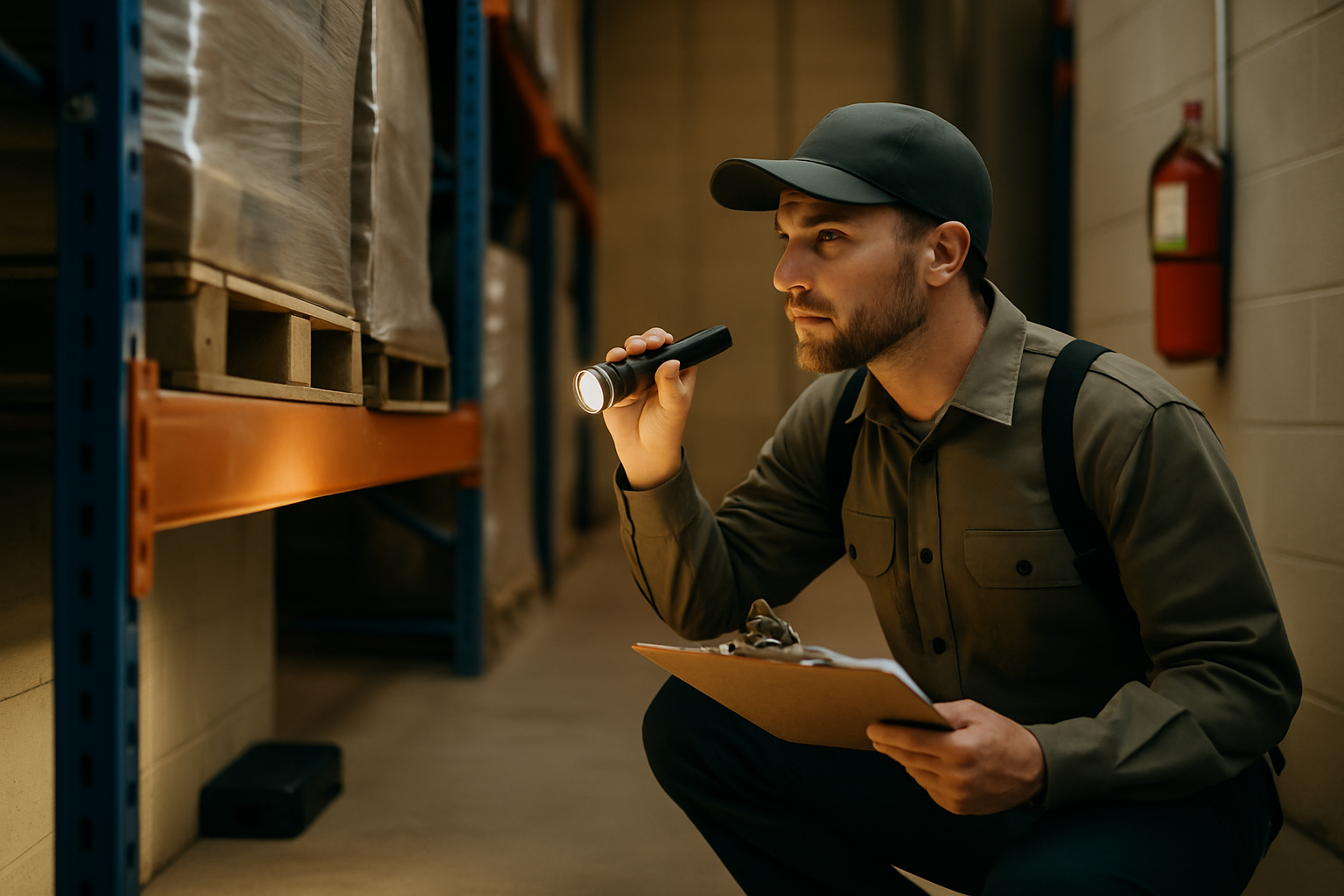
Pests in a commercial space? Bad for business, plain and simple. A single cockroach sighting in a restaurant can spiral into reputational crisis. Mice in a warehouse? Inventory losses and potential fines. I’ve seen facilities ignore the early warning signs, only to pay tenfold down the line in repairs, lost clients, and regulatory headaches. Managing pests isn’t just about compliance—it’s about survival in a competitive market.
Which Pests Threaten Commercial Spaces Most?
Pest problems aren’t reserved for food service alone. I’ve walked into office blocks, shopping centers, even hospitals plagued by the same culprits:
- Rodents (mice, rats): Gnawing through wires, spreading disease, contaminating products.
- Cockroaches: Thrive in kitchens and storage, carrying bacteria like Salmonella and E. coli.
- Flies (house, fruit, cluster flies): Target food prep areas and waste zones, risking foodborne illness.
- Stored product pests (weevils, beetles, moths): Infest grains, flours, cereals—common in bakeries, factories, shops.
- Ants: Forage for food, establish satellite nests in wall cavities and kitchens.
Each pest brings its own risks. Termites quietly ruin structural integrity. Birds can endanger air quality with droppings. And the risk compounds in high-traffic or sensitive environments like healthcare and hospitality.
What Are the True Risks of a Commercial Pest Infestation?
The right (or wrong) pest can cripple business operations fast. First, there’s the direct hit: physical damage, ruined stock, accidents caused by droppings or chewed cables. Second, the legal side: health code breaches, regulatory fines, and forced closures. Third, and often underestimated, is reputation. One viral review detailing a roach in the soup—or rodent tracks in packaging—can tank trust overnight.
According to the Global Pest Control Market Report (2023), businesses lose billions annually to preventable infestations. And that number likely undercounts the cost in staff absenteeism and retraining after morale plummets.
How Do Commercial Pest Control Services Work?
Effective commercial pest control means more than the occasional bait trap. Here’s how professional services break down the approach:
| Method | How It Works | Best for |
|---|---|---|
| Inspection & Monitoring | Trained techs audit the site and set up monitors for activity trends. | Early detection in any industry |
| Sanitation & Exclusion | Seal entry points, remove food/water, enforce strict cleaning. | Prevention in kitchens, warehouses |
| Targeted Treatments | Baits, traps, or localized application. Always track legality and safety. | Active infestations in sensitive zones |
| Integrated Pest Management (IPM) | Mixes non-chemical and chemical controls, focusing on long-term balance. | Any business with recurring issues |
I always push for IPM first—chemicals are a last resort. The blend of physical barriers, scheduled inspections, and targeted responses adapts as seasons and threats shift. Reputable providers use detailed logs, digital monitoring tools, and client education to head off surprise outbreaks.
People Also Ask
What preventative measures stop pest infestations in commercial buildings?
Most infestations start simple: a gap in a service duct, an overlooked spill, a backlog in waste disposal. Routine cleaning, storage off the floor, weather-stripping, and regular staff training block most common invaders. Annual professional audits catch risks before they escalate.
How does integrated pest management (IPM) differ from traditional pest control?
Integrated Pest Management (IPM) is a proactive, holistic strategy. Rather than relying solely on chemicals, IPM combines monitoring, sanitation, and exclusion with targeted—often minimal—treatment, reducing resistance and environmental impact.
Is commercial pest control required for compliance?
Health and safety regulations typically mandate regular pest control for food, healthcare, and hospitality businesses. Failing an inspection can mean hefty fines, closure, or lost licenses. The best providers understand and document compliance standards by sector.
Why Working with a Reputable Pest Control Provider Matters
Skimping on pest management isn’t just risky—it can be catastrophic. The right provider brings more than traps. They offer ongoing support, rapid response, digital recordkeeping (for reporting and tracing compliance), and training tailored to staff and facility quirks. Look for accreditation by industry bodies and transparent service agreements. I’ve watched businesses go from one emergency call-out per month to none in a year, just by choosing a partner who cared about prevention, not just quick fixes.
Every decision, from supplier choice to maintenance routine, reflects on your business. Customers and staff can tell. If you want a workplace that’s clean, compliant, and trusted, don’t treat pest control as an afterthought—make it foundational. Not just for audits, but for your business’s long-term future.
